City

Devanahalli Fort

Devanahalli Fort

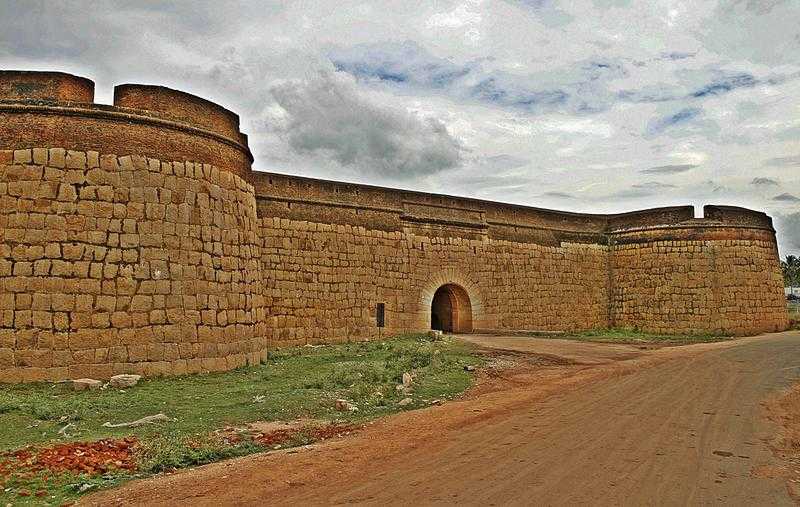
Known for its historical significance and archaeological brilliance, Devanahalli Fort is located 35 kms north of the city of Bangalore. The fort is a living example of the extensive battles fought and won and of the royal families. Lately in ruins, the fort once was the birthplace and residence of the great warrior Tipu Sultan. Sprawling over a vast area of 20 acres, the building is essentially made of stone and mortar. Originally built in 1501, by the Mallebyre Gowda during the reign of Saluva Dynasty, until the Dalwai of Mysore Nanjarajaiah occupied it in 1749. Later it was taken over by Hyder Ali before finally being passed on to Tipu Sultan.


The fort boasts of twelve semi-circular bastions, each with a gun-point view and a spacious battlement. The entrances, though relatively small are decorated with cut- plasterwork, and the main attraction is the chief residence of Hyder Ali and Tipu Sultan. The memorial is a six foot tall enclosure with pillars. The fort is currently a residence for many as several families inhabit the place. Among the umpteen temples located inside the premises of the fort, Venugopalswamy is the oldest with impeccable architecture and houses several attractive idols of local deities. Other than that, there is Siddheswar Swamy temple, Raghabendraswamy Math, Chandramouleswar Temple etc. Though in a dilapidated and crumbling state with most of the walls covered in graffiti, the fort manages to retain some of the yesteryears’ grandeur and glory. We recommend you to visit the fort if you like old monuments and archaeological places.

History of Devanahalli Fort

The history of the fort dates back to the 15th century when a group of refugees who had fled from Conjeevaran (now called Kanchi) camped here. The chief of the tribe named Rana Baire Gowda dreamed of an amiable settlement for the people somewhere near the foothills of Ramaswamy betta aka the place they were camping. His son, Malla Baire Gowda came to found this place- Devanahalli during the Vijayanagar rule. Devanahalli was initially a part of Gangawadi and later came under the reign of several dynasties including Rashatrakutas, Nolamba, Pallavas, Cholas, Hoysalas and the Vijayanagara rulers.

So, Malle Baire in 1501 AD sought the consent of the kind of Devanadoddi (original name of Devanahalli) and constructed a fort for his family, which was basically just a mud structure. Over time, the fort was renovated and finally, it fell into the hands of Wodeyars of Mysore. After several conquests by the Marathas, it came to Hyder Ali and Tipu Sultan.

Architecture of Devanahalli Fort

The fort is a wonderful example of the 15th century architectural marvel. The fortification boasts of twelve semi-circular bastions, each with a gun-point view leading to a spacious battlement inside the walls. The entrances, though relatively small are decorated with cut- plasterwork in the east and west. The main attraction is the chief residence of Hyder Ali and Tipu Sultan which is a six-foot tall enclosed structure standing with the help of pillars. It has a stone tabloid with the name ‘Tipu’s Birth Place’ on it. The area surrounding the memorial is called Khas Bagh with several plantations of tamarind, mango, banana and a dried up pond as well.

Temples at Devanahalli Fort

Among the numerous temples that boast of impeccable architecture within the Devanahalli Fort, the oldest and the most popular one is the Venugopalaswamy Temple. Facing the main road on one side, the temple houses a spectacular Garuda Stamba in the spacious courtyard. With beautifully bedecked pillars all around, and the walls are adorned with intricate paintings from the scenes of Ramayana, the temple is a magnificent treat for the history buffs and archaeology enthusiasts. The sculptures efficiently furnishing the interiors are compared to those in Halebid and Belur.

The two main pillars on the entrance are guarded by two horsemen with swords. The exterior features a Garbgriha with the standing image of Venugopal in the Vijayanagar style. In addition to this, there is a Dravidian style Shikara (mountain top design) on the top of the temple.

The other temples present inside the premises of the fort are Siddhalingeshwara temple, Chandramouleshwara temple, Raghavendraswamy Matha and the Sarovaranjaneya temple equally resplendent and boast of the same grandeur.

How To Reach Devanahalli Fort

The fort is located 35 kms north to the city of Bangalore in Devanahalli. It can be reached by hiring a taxi cab or by driving down in a private vehicle. Take the Bangalore- Hyderabad National Highway 7, do not take the deviation to the airport and go straight until you see a signboard overhead for ‘Devanahalli Township’. Take the right turn and drive half a km further to reach your destination. You can take your vehicles inside the premises of the fort.
Bangalore Aquarium

Bangalore Aquarium

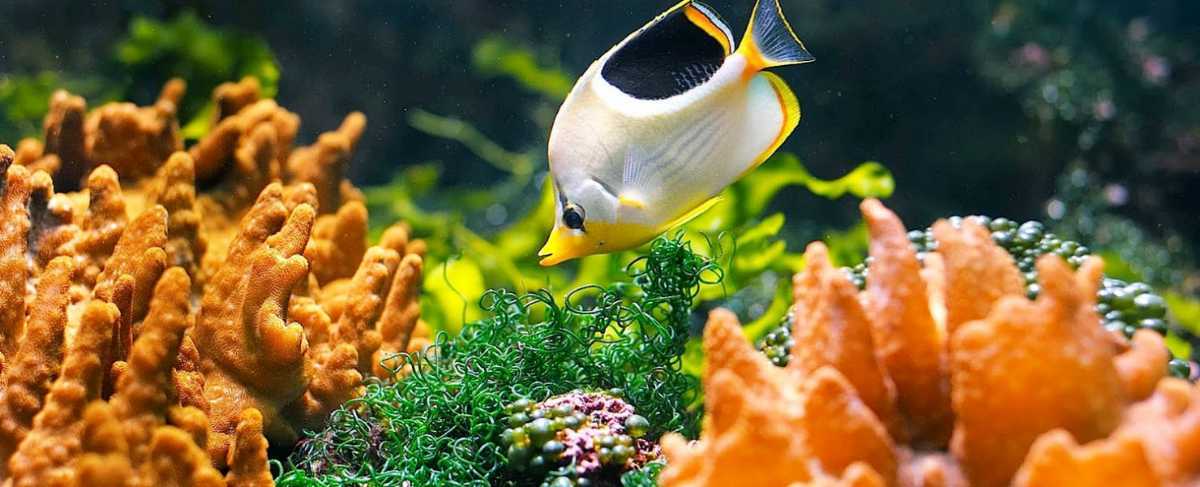
Located in Cubbon Park, the Bangalore Aquarium is the most famous and largest aquarium in Bangalore and the second largest in India. Established in the year 1983, this aquarium has on display a variety of ornamental as well as exotic fishes including Siamese Fighters, Catla, Freshwater Prawns, Goldfish, Red Tail Shark and many others. It is an ideal place for casual exploring in Bangalore.


It is a diamond-shaped building, spread over three floors. While the first floor has 14 tanks, the second floor has 69 tanks of various cultivable fishes and other aquatic flora and fauna. The various fishes that can be seen at the aquarium are eels, angelfish, hockey stick tetra, red-tail shark, pearl gourami, goldfish, moon tail among others.

Architecture of the aquarium

It is an octagonal building, spread on three floors. While the first floor has 14 tanks, the second floor has 69 tanks of various cultivable fishes and other aquatic flora and fauna.

Ideal For

Casual travellers and aquatic enthusiasts

How To Reach Bangalore Aquarium

Located at the entrance of Cubbon Park, it is fairly easy to locate the aquarium in the city.
By Air: The nearest airport to Bangalore Aquarium is the Bengaluru International Airport, which is 32 km away. Taxi and other transport facilities can easily be availed.
By Rail: The nearest railway station to Bangalore Aquarium is the Yesvantpur Railway Junction which is 7 km away. From there road transportation is easily available.

St. Mary’s Basilica Bangalore

St. Mary's Basilica Bangalore

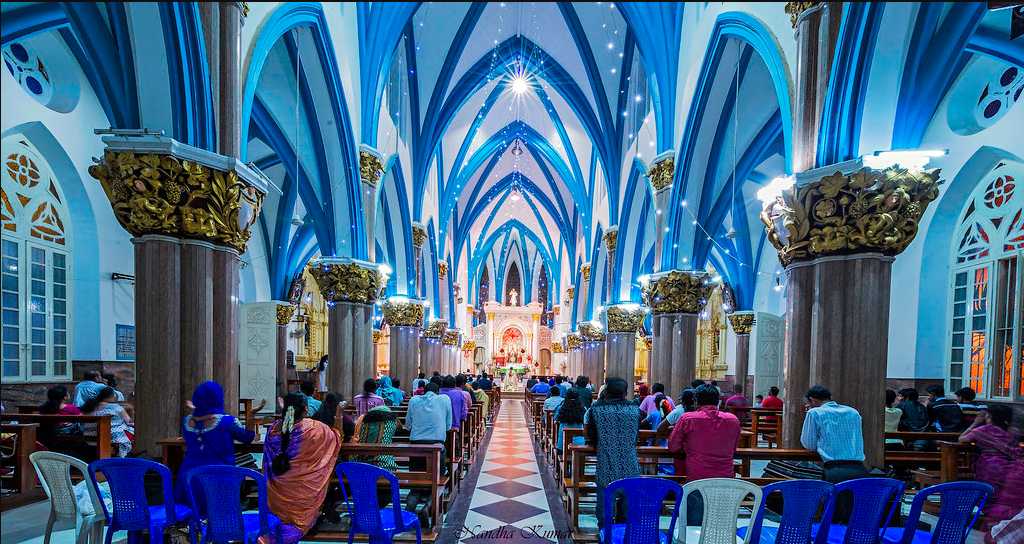
Built in 1882, St. Mary’s Basilica is the oldest church in Bangalore and is the only church in the state that has been elevated to the status of a minor basilica. It is famous for the festivities it holds during the St. Mary’s Feast, in September each year. It is a marvellous sight to behold with its towering façade, glass windows, and the loving statues of Mother Mary.


St. Mary’s Basilica is a spacious gothic-style Church built in the form of a cross, designed by a French architect. It is 172 feet long and 50 feet broad. The imposing and magnificent tower forming the facade of the Church is 160 feet in height. A beautiful statue of Mother Mary holding Child Jesus in her arms, 6 feet in height, is set up in an attractive shrine just outside the Church building. 

Every day, Our Mother Mary is draped in a saree, which is the typical dress of an Indian lady. It is said that when the new Church was built, people tried to remove this statue to install it on a prominent altar inside the Church, but they failed in their effort since the statue remained immovable. This strange happening is considered to date a sign of Our Lady’s miraculous power. The Main Feast of the Church is celebrated with all grandeur on the 8th of September, the Feast day of the Nativity of Blessed Virgin Mary, every year. This feast is considered one of utmost importance by the people, in the whole of the Archdiocese and the state of Karnataka.

History of St. Mary's Basilica

The church has had a very developmental history through the passage of time. It was set up by Fr. Jean Dubois, a Catholic priest, in the year 1811 as a small chapel in the town then known as “Bili Akki Palli”. The chapel was then known as the ‘Chapel of Kanikkai Madha’ or ‘Kaanike Mathe Devalaya’. The church was then enlarged in the year 1813 but had to be built again from the year 1856-1882 as it was destroyed in the communal riots during the 1830s. The new structure of St. Mary’s Basilica was then planned by Bishop Jean-Yves-Marie Coadou in the years to follow, to be finally given the title of “Minor Basilica” in the year 1973.

Legend of St. Mary's Church

In the 1800s, a deadly plague spread throughout the parish, and the local people sought the help of Mother Mary to save them from the grasp of the terrible pandemic. It is said that the Holy Virgin Mother heard the people’s plea and soon the plague disappeared from the village. Since the people and the town were saved by the blessings of Mother Mary and ushered in good health, she was also called ‘Annai Arokiamarie’ which translates to Our Lady of Good health.

There is another legend about St Mary’s Basilica that the small statue of Mother Mary in the shrine near the main entrance was attacked when some mobs of miscreants tried to destroy and rummage the Church, but the statue remained unharmed and unaffected in all the fire. Not just that, when the attackers tried to pull it down, they were said to be struck blind.

Architecture of St. Mary's Basilica

The architecture of St Mary’s Basilica is inspired by the Gothic Style, as the church stand 160 feet tall with its stained glass windows, ornamental motifs and beautiful arches adorning the walls. There is a bigger statue of Mother Mary with baby Jesus just at the porch of the church, who is draped with the traditional Indian women’s attire of sari every day. This statue earned the name of being immovable as the builders could not shift it during the construction of the new church.

St. Mary's Annual Feast

Apart from the beautiful infrastructure of the church, the St. Mary’s feast, which happens for 10 days in September every year, is also something which draws a large number of tourists to the Basilica. The birth of Lady Mary is celebrated with a grand feast, which involves feeding the poor and the needy, performing social services for the underprivileged and also, hosting of the Traditional Flag. For the first 9 days, Novena is held, and on the 10th, that is the 8th of September – the birthday of Mother Mary, a holy feast – the Nativity of Blessed Virgin Mary is arranged and the image of Mother Mary is carried around the local streets in a beautifully adorned chariot.

How To Reach St. Mary's Basilica Bangalore

The St Mary’s Basilica is located very near to the Shivajinagar Bus Terminus which is well connected with the rest of the city. Bangalore is a very well-maintained city with buses, cabs and autos available from anywhere. The nearest Metro Station to the place is Cubbon Park. You might get down there and then take a private taxi to reach the Basilica or can even undertake the bus route.

The basilica being a site of attraction is well-known, and you just have to mention the name to reach there. You can also hire private cars if you are new to the city.

Vidhana Soudha

Vidhana Soudha

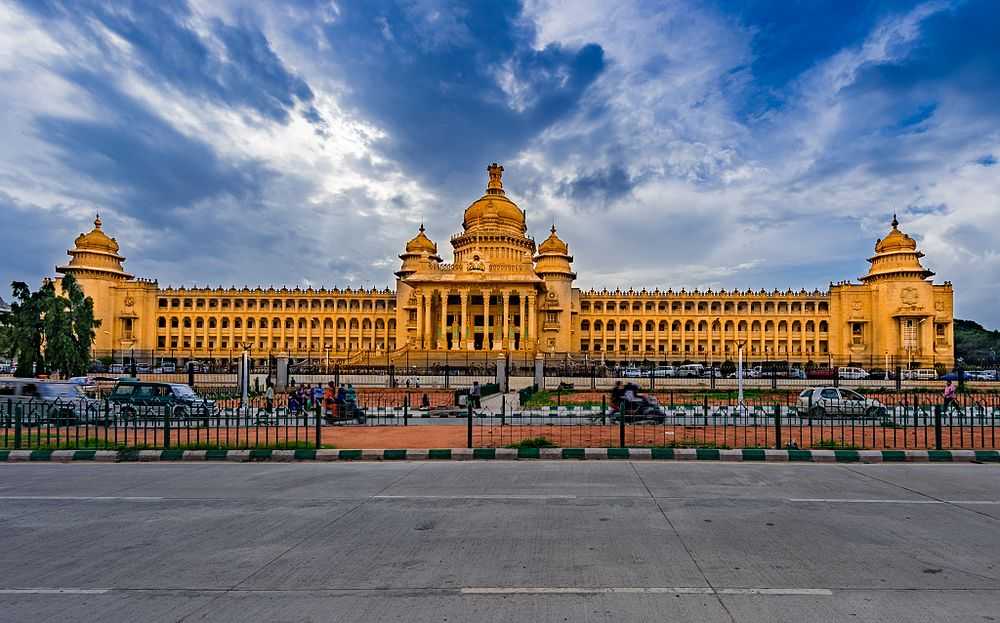
Described by Pandit Jawaharlal Nehru as ‘a temple dedicated to the nation’, Vidhana Soudha houses the State Legislature and the Secretariat of Karnataka and is one of the most popular attractions in the lively and colourful city of Bengaluru. It also proudly boasts the title of being the largest state legislative building in the country. With four entrances in all four directions and four floors above the ground level and one below it, we surely don’t doubt the title. Popularly known as the ‘Taj Mahal of South India’, it is counted as one of the most magnificent buildings in the city and is sure to impress the onlooker with its sophisticated poise and glorified grandiose. The entire monument is illuminated on Sundays and public holidays and is a sight for sore eyes.


Then Prime Minister Sri Pandit Jawaharlal Nehru along with then Chief Minister K.C. Reddy laid down the first brick of this establishment on 13 July 1951 and initiated the construction of a monument that symbolizes the legislative sovereignty of the people of the country. Its construction took a good five years and it was finally inaugurated in 1956 to become the largest legislative building in India. The Vidhana Soudha stands 150 feet tall and boasts of an elegant and truly exquisite Neo-Dravidian style of architecture. 

Construction of Vidhana Soudha

Sprawling across an area of 60 acres, the Vidhan Soudha exhibits a glorified and exuberant Neo-Dravidian architecture style with splashes of Indo-Saracenic architecture sprucing up the place with sheer elegance. Surrounded by lush green manicured lawns, the structure consists of four upper levels and one basement housing a total of 172 rooms and is built purely out of granite and porphyry. The floor area spans its reach across almost 47,000 square meters!

Embellishing the entrance of the building is the four-headed lion, the national symbol of our country. One of the most attractive elements of the Vidhan Soudha’s interiors are the grand stairs that lead up to the foyer. Forty-five steps, 200 feet wide and 70 feet deep, climb directly up to the foyer that opens up to the large Assembly Chamber.  The Assembly Hall looks extremely majestic with twenty columns, each forty feet tall, adorning its entrance. The central dome is supported by eight granite columns that are each have a diameter of 60 feet making the roof of the State Banquet Hall. The dome is also crowned with the Indian National Emblem.

An artistic blend of modern and ancient architecture, the Vidhan Soudha comprises richly carved bases and capitals for pillars, kapotha cornices, chaithya arches and deep freizes. An interesting fact about the construction of this monument is that it was built by 5000 unskilled workers, all of whom were convicts. All these convicts turned labourers were given freedom once the construction was completed. Besides the labourers, the monument required the undivided attention of 1500 chiselers, masons and wood carvers.

Vidhana Soudha Lighting

The entire structure of the Vidhan Soudha is lit up with a million colourful lights on Sunday evenings and on special occasions. Thousands of tourists flock to witness this remarkable light show, a show with numerous vibrant lights enlightening the structure and colourful spotlights shooting across the sky. This spectacular sight can only be witnessed during evening time between 6:30 PM and 8:00 PM.

The city has proposed to light up the Vidhana Soudha for two hours every day since it is such a popular attraction that draws the attention of many tourists around the year. Bearing in mind the power shortages faced by many parts of the country, the light show is planned to be run entirely on solar energy!

Slogan of Vidhana Soudha

At the entrance of this magnificent monument is richly carved “Government’s work is God’s work” and its Kannada equivalent. The Mysore government showed intent in 1957 to change this slogan to “Satyamev Jayate”, which means “The Truth Always Prevails”. This would have costed INR 7500, which was not a very small figure then. Eventually, they decided to keep the slogan untouched and so it is. When US State Governor of Ohio, George Voinovich, visited the Vidhana Soudha in 1996, he noticed the inscription and was inspired by it. He decided to etch, “With God, all things are possible” at the entrance of the Ohio State House, and this prompted a high-profile lawsuit.

Tips For Visiting Vidhana Soudha

Special permission must be taken to visit the interiors of the buildings due to the security reasons. You should take care of them while visiting the place.

How To Reach Vidhana Soudha

The Bangalore Railway Station is only 5 km away from Vidhana Soudha, which is barely a 25 to 30-minute commute. The nearest bus stop is Kempegowda Bus Station, or popularly known as Majestic Bus Station and is only 2.1 kms away from this bus stop. Being a busy bus route, a lot of buses ply to and from the Majestic Bus Station.

The Vidhan Soudha has its own Metro Station (Vidhan Soudha Metro Station) that drops passengers off right in front of the building entrance. 

It is very easy to find a cab or an auto-rickshaw in the city that will take you to Vidhana Soudha in a speedy manner and at economical rates. If travelling by metro, get down on the Vidhan Soudha metro station and cover the rest of the distance either on foot or hire an auto-rickshaw available outside the metro station.

Wonderla Amusement Park

Wonderla Amusement Park

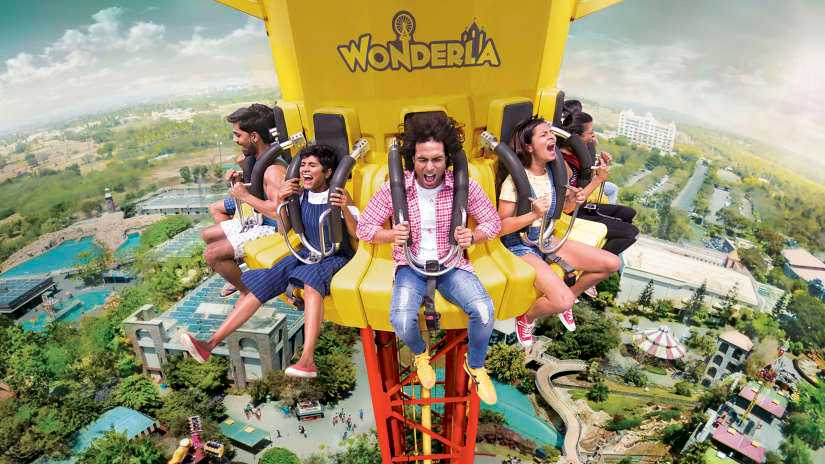
Wonderla is said to be the best amusement park in the city (and also one of the best in the country), and attracts all those looking for a rush of adrenaline. While it is most famous for the high-thrill dry rides, it also features some relaxed, fun rides, hence providing something for every visitor.


Situated on the outskirts of Bangalore on the Mysore road, Wonderla is a great amusement + water park, featuring over 60 rides. It’s quite popular for its collection of “High-thrill rides”, one of the main talking points of the park. It also features a newly constructed, India’s first “reverse looping roller coaster” – a coaster which you do in both directions, once straight and once in reverse order. The water park is fantastic as well, with a variety of slides ranging from thrilling to the leisurely.

Wonderla Tickets

Fastrack AdultINR 1385INR 1775INR 2160INR 251018% GST
Fastrack ChildINR 1110INR 1420INR 1730INR 201018% GST

Ticket


Regular (Weekdays)Regular 
(Weekends)
Season
(Weekdays)
Season
(Weekends)
GST 
AdultINR 923INR 1182INR 1080INR 125418%
Children (85 – 140 cm)INR 740INR 945INR 865INR 100518%
Senior Citizen (60- 69 years)INR 690INR 885INR 810INR 94018%
Sp. Senior Citizen (70 yrs and above)INR 460INR 590INR 540INR 62518%
DefenceINR 740INR 945INR 865INR 100518%

Wonderla Bangalore has a category of tickets called “Fastrack” – which are around 50% costlier than the regular tickets. These give you dedicated, faster access to all the rides in the park. At least 25% of the seats (or equivalent) on all rides are reserved for Fastrack ticket holders, which means that you will spend much lesser time waiting in queues and more time doing the rides.

The management says that they sell a limited number of Fastrack tickets on a daily basis to keep the Fastrack experience optimized, so it might be a good idea to book them online in advance – especially during the peak season weekends. While the special category tickets might be significantly expensive, they can improve your park experience by a big margin, allowing you to do almost all the rides in a single day – and doing some of them multiple times – even during rush season.

Most Popular Rides in Wonderla Bangalore

Like all amusement parks, Wonderla has some flagship rides. While all the rides are great and exciting, Wonderla Bangalore is most talked about for its selection of high thrill dry rides that give you an insanely exhilarating experience. Some of these which you should definitely not miss are :
  • Recoil (the roller coaster) : The claim to fame of this ride is that it is India’s first “reverse looping roller coaster”, which means that you do the ride once in each direction – going forward and back. The whole experience in incredible – the coaster runs at a super high speed and reaches dizzying heights, and gives you great view of the park at some twisted angles.
  • Flash Tower : Probably the highest ride in Wonderla Bangalore save the big ferris wheel, the Flash Tower is a 40 metre high ride. The tower shoots up and drops you down multiple times, providing a shot of adrenaline rush.
  • Maverick : Not a ride recommended after a lunch – or even breakfast – Maverick twists and turns you around at a high altitude, at a high speed. And if that’s not all, it gets twisted and does the same thing over again. 
  • Wonder Splash: Comparatively less scary by Wonderla standards, the Wonder Splash is a small roller coaster which lands in a pool of water, creating a wall of water around you as it hits the pool. Children love it.
  • Giant Ferris Wheel: A landmark ride that can be seen from miles away, especially at night when it is beautifully lit. The ferris wheel is situated on the top of an already high tower and is pretty high itself – giving you a brilliant view of the whole park and the surrounding hills.
  • Korneto: A newly made water ride, the Korneto is shaped like a funnel. You jump into a closed tube, and exit into the funnel, doing a few rounds inside the. While it’s not the most thrilling ride, it is definitely a unique one and should be on your to-do list. 

Changing Rooms and Lockers

Like all good amusement parks, Wonderla Bangalore has an excellent changing room and locker facility, separated for men and women. The locker chargers are entirely reasonable – INR 170 per locker + INR 100 deposit. You get an RFID band to access the locker, and you can wear it like a watch – in fact, you can put extra money in this watch and use it like a prepaid wallet around the park to buy food and drinks. If you forgot to get your wet clothes from home, you can also buy them at reasonable prices from the store inside the park.

Food in Wonderla

Wonderla has a number of shops and cafeterias scattered around the park.

  1. Park View Restaurant
  2. Greens Restaurant
  3. Five Star Chicken
  4. Chillies Restaurant
  5. Courtyard Restaurant
  6. Waves Restaurant
  7. Buffet Lunch and Dinner

Apart from these, there are a number of small shops and carts selling everything, from ice cream to coconut water, kathi rolls, burgers and pizzas. In short, there is no dearth of food options at Wonderla Bangalore, although we recommend you go easy on the food spree before you do any of the high-thrill rides. Many tourists have had their stomachs emptied right after a ride on “Insanity” or “Maverick” – a sure shot mood spoiler.

How to Reach Wonderla Amusement Park

Since Wonderla is located so far away from the main city, reaching here could be quite a task. However, with a little bit of planning and research, it doesn’t need to be. The most convenient way, of course, is to drive your car, or hire a car for the day. Other than that, BMTC runs a special Volvo bus service from/to Wonderla. The buses start from ITLP/Majestic/Koramangala/HSR early morning, so that they reach Wonderla just before the starting time of 11AM.

Nandi Hills

Nandi Hills

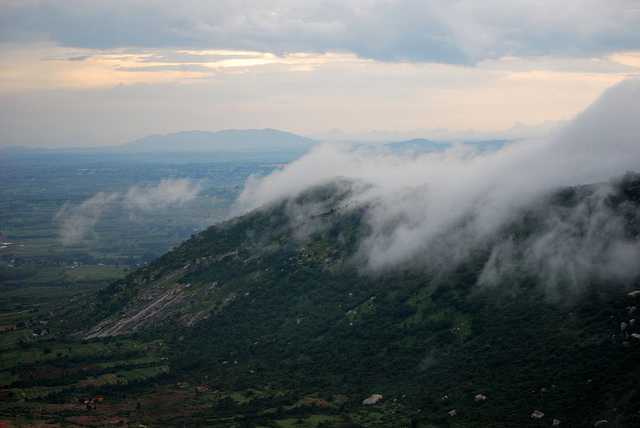
Located around 60 kilometres away from Bangalore, Nandi Hills is one such tourist spot that has gradually been discovered by visitors over the years and has now become a well-known weekend getaway.


Featuring beautifully carved arches and majestic pillars with intricately painted walls and ceilings, Nandi Hills is scattered with shrines and monument and is surrounded by mesmerizing views, making this place no less than a hidden paradise.  Situated at a height of 4851 feet above sea level, you can see a convoy of weekenders from Bangalore during early hours catching the glimpse of sunrise.

Trekking in Nandi Hills

Nandi Hills are a famous trekking spot. There are several trek routes, through the Nandi hill, to suit the ability and strength of different kinds of trekkers, from beginners to experts. There is a simple rustic way up the hills for beginners. For mid-level trekkers, there is a steep trek up the Channarayana Hills. This is a strenuous route. For the extreme enthusiasts, there is a multi-terrain trek circuit through grasslands, rivers, rocky ways and paved roads.

History and Places of Interest

Once used as the summer retreat of Tipu Sultan, Nandi Hills finds its place in history as being reminiscent of the reign of Tipu Sultan, and the Tipu Sultan trail is a famous historical attraction of this place. 
The most well-known spot in this trail is Tipu’s Drop, a 600-metre-high cliff which was used during Tipu’s reign to hurl prisoners down to their demise. Another must-see attraction is Tipu’s Summer Residence, which was named by Tipu himself as the Tashk-e-Jannat, meaning ‘the envy of heaven’.
Nandi Hills is home to quite a few temples, and one such temple that you must visit is the Bhoga Nandeeshwara temple in Nandi village. Dedicated to Lord Shiva and his consorts Nandi and Parvati, this temple is one of the oldest temples in the area and is a beautifully designed work of architecture.
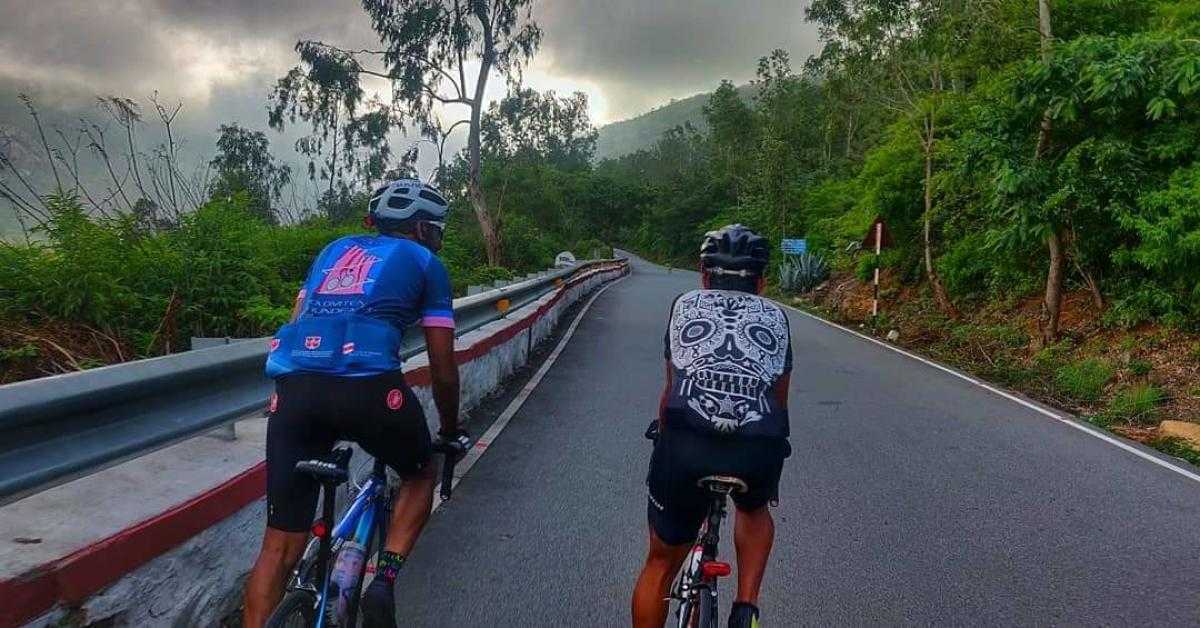
Nandi Hills is a haven for cyclists, and the lofty altitude coupled with the fantastic terrain and the spectacular landscape makes cycling at Nandi Hills a complete adventure in itself. Paragliding is also very famous in Nandi Hills and is a must-do activity for adventure lovers.

Suggested Itinerary for Nandi Hills

Day 1- Arrive at Nandi Hills. Visit Bhoga Nandeeswara Temple. Return to hotel.
Day 2- Early morning trek over the hills. End day at local food joints and handicraft stores.

ISKCON Temple

ISKCON Temple

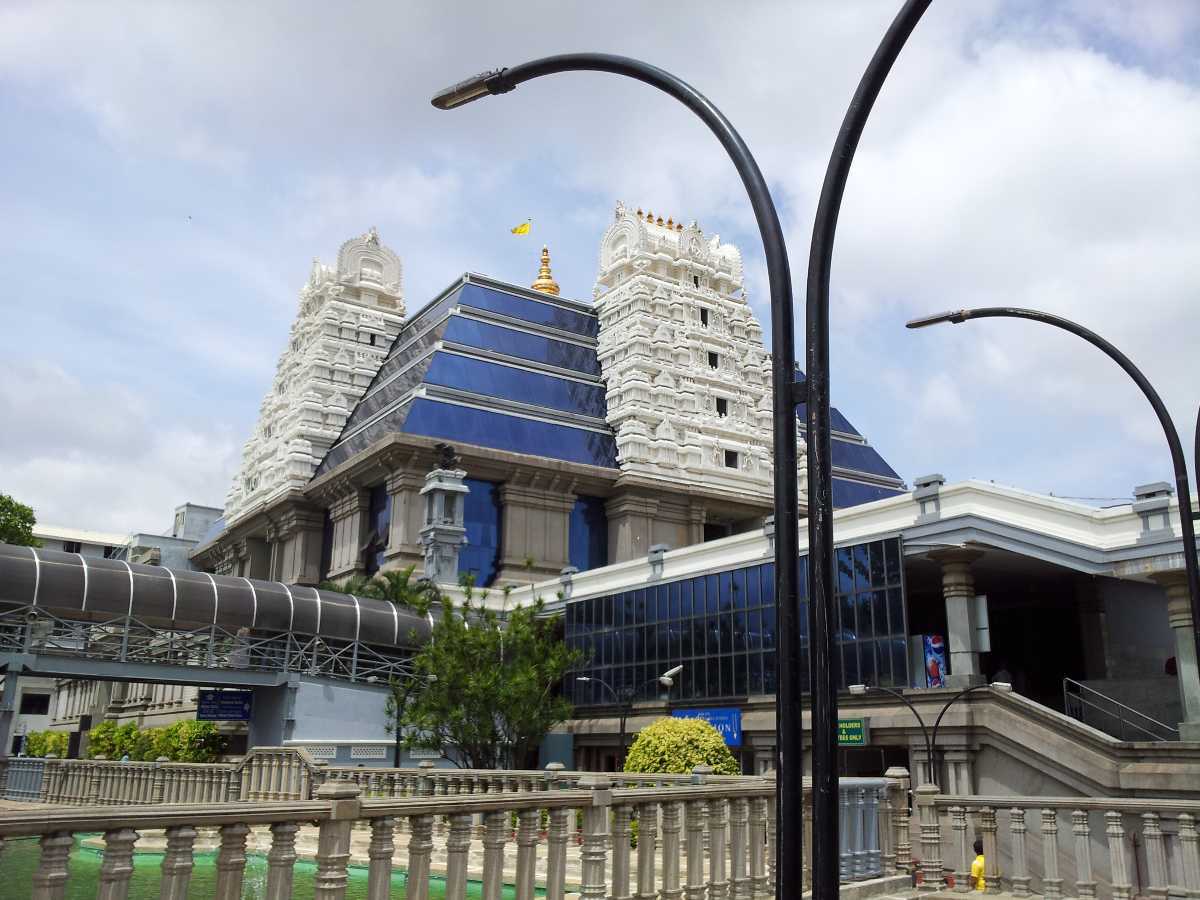
Located in the Rajajinagar area, ISKCON Temple is a revered shrine dedicated to Lord Krishna. The temple, under the guidance of Madhu Pandit Dasa, was inaugurated in the year 1997 by Shankar Dayal Sharma. Apart from a religious shrine, ISKCON temple is a cultural complex accommodating dedicated deities of Sri Sri Radha Krishnachandra, Sri Sri Krishna Balarama, Sri Sri Nitai Gauranga, Sri Srinivasa Govinda and Sri Prahlada Narasimha.

ISKCON Temple is known for its activities of engagement involving ardent devotees of Lord Krishna. The temple enrols members for life and arranges programs in their community centres for Krishna consciousness and awareness of the Lord. The temple community also organises songs and recitals admiring and praying to Krishna in public processions. Lectures and prayer services are regularly conducted here as well. In addition, the ISKCON temple community conducts a wide variety of activities directed towards rediscovering spirituality on an individual level as well as creating a spirit of harmony in the community.

History of the Temple

ISKCON temple Bangalore is a part of a charitable society with the aim of propagating Krishna Consciousness through the teachings of the Bhagavad Gita. The society was registered in the year 1978 under the Karnataka Societies Registration Act, 1960 and became operational in 1987. The same year, the leaders of the society approached the Bangalore Development Authority for the allotment of land to construct the temple. A seven-acre hillock with a huge rock in the midst of it was allotted to the ISKCON temple authorities on August 3, 1988. Since the site wasn’t fit for construction, a temporary temple premise was arranged there.

To overcome this predicament, Sri Madhu Pandit Dasa, a qualified civil engineer and who was also the president of the ISKCON Bangalore Society conceptualized a beautiful architecture for the temple with the help of Sri Jagat Chandra Dasa who was an architect himself. Construction of the ISKCON temple began in full swing in the year 1990 and six hundred skilled artisans worked ceaselessly for seven years to accomplish the edifice. The ISKCON temple and cultural complex were inaugurated by the then President of India, Dr Shankar Dayal Sharma on May 31, 1997.

Architecture of ISKCON Bangalore

The architecture of Bangalore’s ISKCON temple is a magnificent presence and is credited to being the largest ISKCON complexes in the world. The most distinctive feature of this temple is it’s gold plated flag post which stands at a height of 17 metres, followed by its gilded Kalash Shikharas which is at a height of 8.5 metres. An example of the neoclassical style of architecture, the ISKCON temple is embellished with the most exquisite style of stone carvings.
The main shrine which is also called the Rajagopuram has beautiful archways and water fountains welcoming you into the temple. Inside, beautifully ornamented idols of Shri Radhe Krishna adorn the temple.

In addition to this shrines, separate prayer halls are dedicated to Sri Sri Radha Krishnachandra, Sri Sri Krishna Balarama, Sri Sri Nitai Gauranga, Sri Srinivasa Govinda and Sri Prahlada Narasimha are present here as well. The ISKCON temple complex has an expansive verdant garden and an amphitheatre for conducting various cultural programmes as well.
 

Festivals at ISKCON Bangalore

A number of festivals are celebrated with great vigour and gaiety in the ISKCON temple premises. The year begins with the celebration of Sri Sri Krishna Balarama Ratha Yatra, in which Lord Krishna and Balarama appear in beautifully decorated chariots to bless their devotees.This festival is followed by the celebration of Sri Nityananda Trayodashi in February when Lord Balarama appeared as Nityananda Prabhu. March sees festivities around Sri Gauri Purnima which is the birth anniversary of Sri Chaitanya Mahaprabhu, and Ram Navami and Brahmotsav are celebrated in April. Sri Narasimha Jayanti and Sri Hanuman Jayanti are celebrated in the month of May and Panihati Chita Dahi is celebrated in the temple during June.

Following these is the yearly celebration of Garuda Panchami which is celebrated at the end of July. August is a big month of celebrations, as several important festivals such as Shri Radhashtami, Jhulan Utsav, Sri Balarama Purnima and  Shri Krishna Janmashtami are celebrated in this month. Other festivals that are celebrated here include Vamana Jayanti, Deepotsav, Govardhan Puja and Shri Vaikuntha Ekadashi.

Tips For Visiting ISKCON Temple

1. Cigarette, Biri, Tobacco or other intoxicants are strictly prohibited inside the holy premises
2. Photography is not allowed inside the temple
3. Remove your footwear before entering the premises

How To Reach ISKCON Temple, Bangalore

The ISKCON Temple is located on the Hare Krishna Hills, in the North Bangalore. It is well-connected to the various parts of the city through different modes of transport. Bangalore has an extensive bus network operated by the Bangalore Metropolitan Transport Corporation (BMTC). You can easily find buses to reach the Hare Krishna Hills. 

The closest metro station to the temple is Mahalakshmi Station. The temple is merely 5-minute walk from there. Alternatively, you can also hire a taxi from any part of the city to reach the temple.

Bannerghatta National Park

Bannerghatta National Park

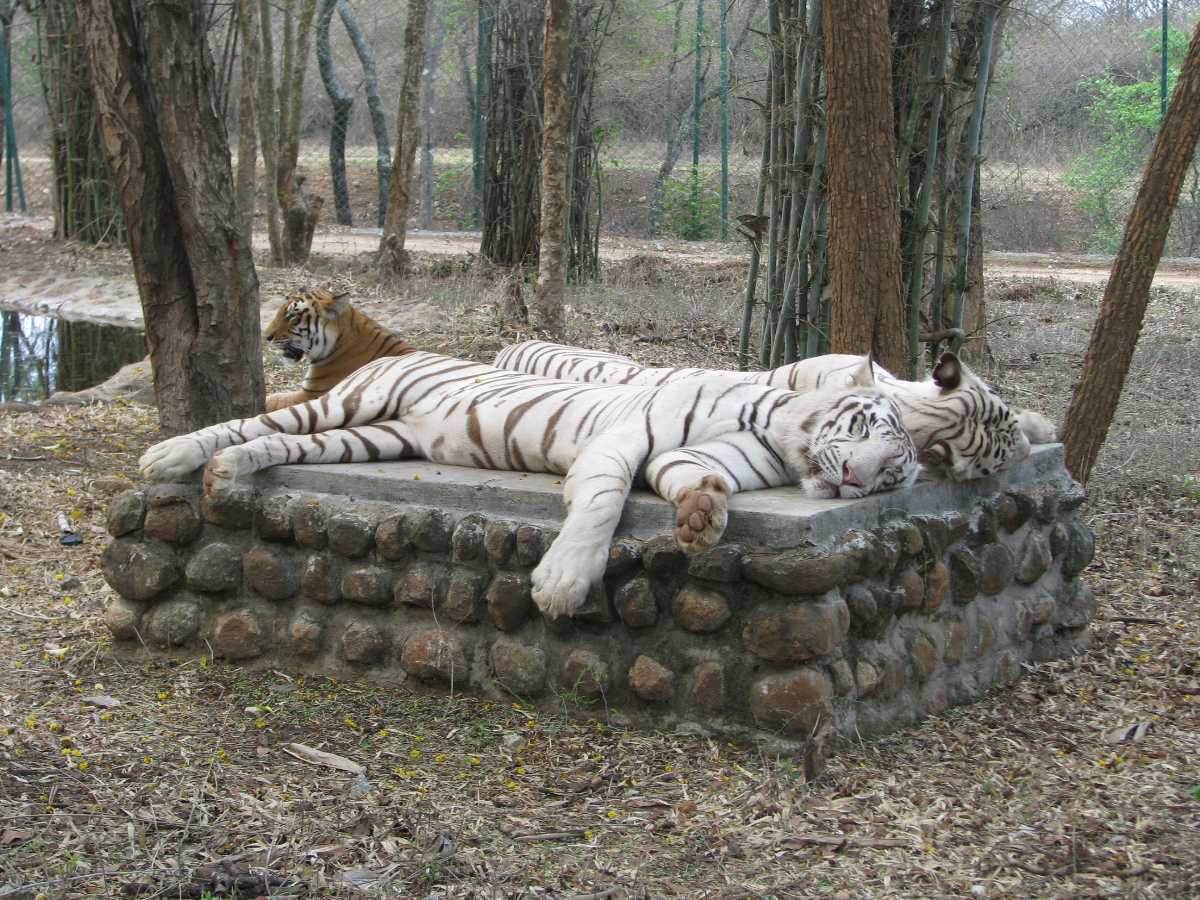
Located 22 km away from Bangalore, the Bannerghatta National Park is a sanctuary for a large variety of flora and fauna. Spread over a massive area of around 104.27 sq. km, this national park was established in the year 1971. The park itself has a number of establishments within its confines, which includes the country’s first butterfly park as well.


Other attractions here are ten Reserve Forests of Anekal Range of the Bangalore Forest Division, an aquarium, a zoo, Children’s park, Crocodile Farm, Snake Park and Prehistoric Animals’ Park. What’s more, you can get up close and personal with the wondrous wildlife here by the means of a jungle safari, which is a popular activity to pursue here. The best part about Bannerghatta National Park is the small well-defined zones for animals that almost guarantees that you will spot the animals. People go in caged vehicles (buses/safari).

Jungle Safari in Bannerghatta National Park

Perhaps one of the most popular activities in this destination is the Jungle Safari, where you get to observe the animals in their natural habitat. The Safari takes you on a beautiful trip where you can spot herbivores as well as big cats. The Grand Safari is 8 kilometres long one way, while Tiger and Lion Safari is around 11 km (to and fro). You can also choose from the options available such as the Zoo & Lion-tiger safari, Zoo & Grand Safari or Zoo only. On weekends tickets get sold out quickly, so it is advised to reach the park before 2:00 PM.

Best Time to Visit Bannerghatta National Park

This park is open throughout the year and the normal temperature in Bannerghatta range from 15 to 35 degrees Celcius during the year, with an average rainfall of about 700mm annually. The best time to visit this park is during the months of November to June when the weather is cool and perfect and wildlife is easily spotted.
 

Flora and Fauna in Bannerghatta National Park

Nature lovers and photographers are surely in for a treat in the Bannerghatta National Park. The varied species of wildlife here includes elephants, leopards, jackal, fox, wild boar, sloth bear, India gazelle, spotted deer, porcupine, Asiatic Lion, Royal Bengal Tiger, monitor lizard and cobras. Rediscover the botanist in you as you inspect and learn more about the sandalwood, neem, tamarind, bamboo, eucalyptus and many more trees that find a place here. The various establishments here such as the zoo and the aquarium provide a number of experiences with the endearing wildlife here.

How to Reach Bannerghatta National Park

The Park is located 22km outside Bangalore City and can be easily reached using public transport. Take the city bus with the route numbers 365, 366 or G-4 (depending on route) which are available every 20 minutes. For reaching the park, the nearest major landmark is Jayadeva Hospital/Mico checkpoint as it is the closest stop on the Ring road. The nearest railway station to Bannerghatta biological park is Bangalore Cy Jn Train Station which is 23 km away from Bannerghatta Biological Park.

Lalbagh

Lalbagh

Lalbagh Botanical Garden is located in Bangalore and is nationally and internationally renowned centre for botanical artwork, scientific study of plants and also conservation of plants. A haven for all nature lovers, Lal Bagh covers an area 240 acres in the heart of the city and has nearly 1,854 species of plants. It was commissioned by Hyder Ali in 1760 and completed by his son Tipu Sultan. The garden features rare plants of French, Persian and Afghani origin and has attained the status of a Government Botanical Garden. The Lal Bagh Rock which is over 3000 million years old is found here and is a major tourist attraction. 


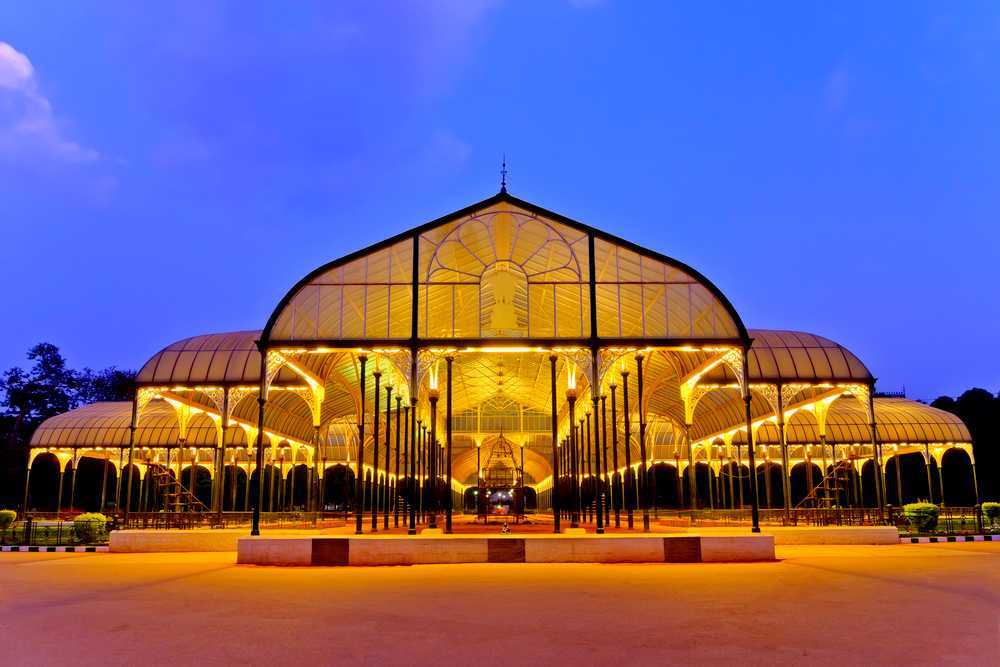
This botanical garden, a delight for photographers, also consists of the famous glass house where an annual flower show is held every year and is also a home to an aquarium and a lake. Tipu Sultan brought in imported trees and plants from countries all over the world and planted them here and today, Lalbagh Botanical Garden has one of the world’s largest collection of rare plants. In addition to being rich in foliage, this garden also houses a number of birds such as Myna, Parakeets, Crows, Brahminy Kite, Pond Heron, Common Egret and Purple Moor Hen.

History of Lal Bagh

Referred to as Rose or Cypress Garden up till 1856, this garden was commissioned by Haider Ali in 1760 who was a big admirer of Mughal Gardens and wanted to set up one in his own city as well. He was influenced by his father who used to work for Dilawar Khan, a viceroy of the Mughals and was especially passionate about setting up gardens. The garden is modelled on another one that existed in Sira which was situated 120 km away from Lalbagh. Over the years, many species of rare plants, trees and shrubs were added to Lalbagh and most of these were added by Tipu Sultan himself.The garden area stood at 45 acres in 1874 with major additions done in 1889 (30 acres) and 1891 (94 acres). The foundation of the famous Glass House was laid down in the year 1898 and was further built by John Cameron in the image of London’s Crystal Palace.

Flowers at Lalbagh

Since its very inception, the caretakers of the garden have ensured a vibrant and flourishing plant variety by continuously adding to its collection. Even in the medieval times, the rulers imported plants from far-flung places like Persia, Cape Town, Kabul, Turkey, Mauritius etc. Exotic species from around the world are curated, introduced, acclimatised and further multiplied resulting in a stock of 1854 species which continues to grow. Some of the exotic plants here include Amherstia Nobilis, Adansonia digitata, Ficus bengalensis var – krishnae, Araucaria Cookie, Bombax Ceiba, and Dillenia Indica among many others. The presence of these plants elevates the beauty of this place to another level, making it one of the most important horticulture hotspots in the country.

Tips For Visiting Lal Bagh

Best time to visit is during the Flower Shows in January and August. Morning or evening hours are ideal for a relaxing outing to this place.

1. Pedestrians can enter the flower show from any of the 4 gates.
2. You can buy the tickets to the flower show online at official website.
3. There are cloak rooms at each entrance of the Lalbagh Botanical Garden.
4. Plastic disposable bottles are not allowed

How To Reach Lal Bagh

Located in the southern part of the city, Lal bagh Gardens can be easily reached by the local means of transport such as buses and auto rickshaws. You can hire cabs to this place as well.

Bangalore Palace

Bangalore Palace

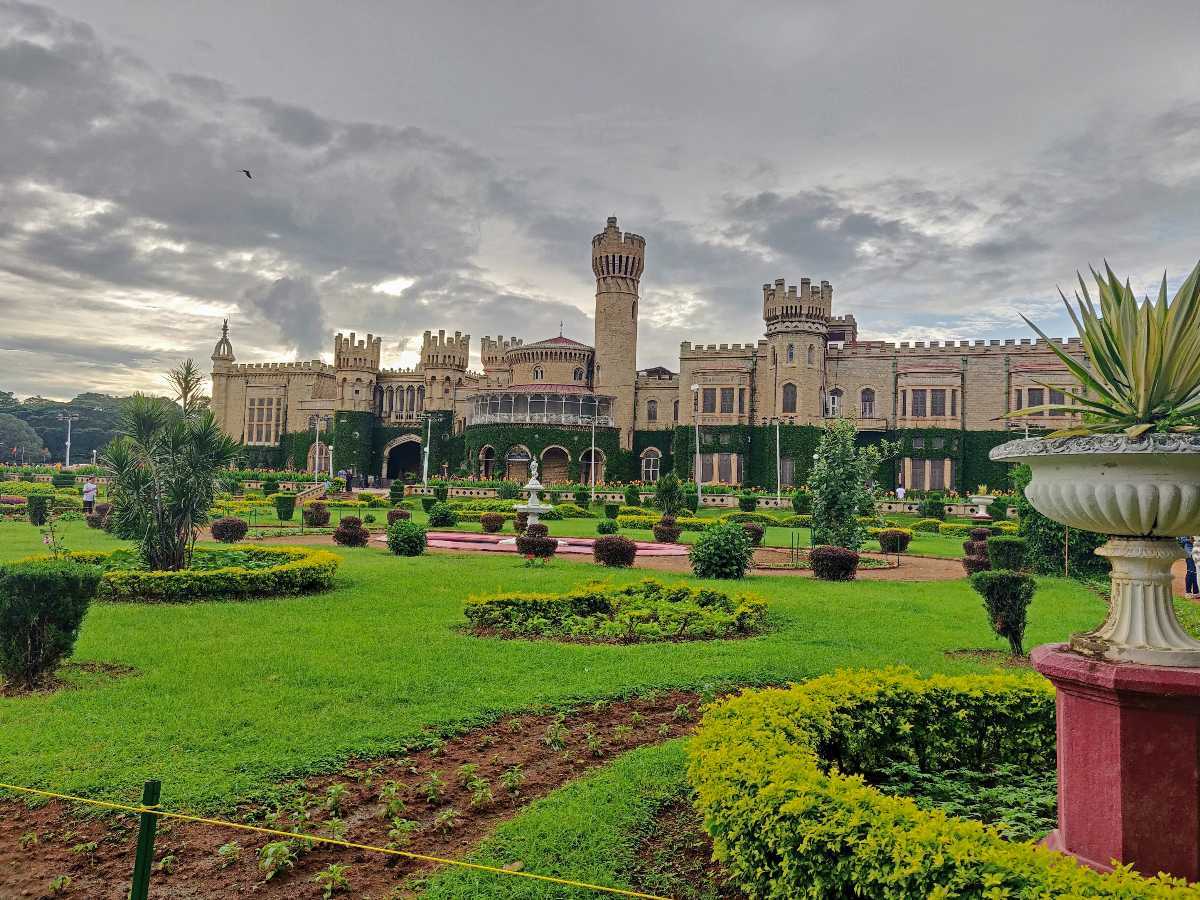
An epitome of great architecture and beauty, The Majestic Bangalore Palace preserves in it the spice of old regal opulence. Currently the central attraction in Bangalore, the palace was built in the year 1878. Chamarajendra Wadiyar’s British Guardians bought the original property in 1873 from the principal of Bangalore Central High School, Rev, J Garret, from his funds. The palace is extraordinarily vast and spread across 45,000 square feet. A mixture of Tudor and Scottish Gothic architecture have resulted into the grand palace that we see today. The wooden structure of the palace along with the beautiful carvings both inside and outside showcases the royal culture in different ways.

Apart from being a major tourist destination, the palace is a host to different cultural events, rock shows, and marriages. As per beliefs, King Chamarajendra Wadiyar drew his inspiration for building the palace from the Windsor Castle of London. The granite seats decorated with fluorescent blue ceramic tiles on the ground floor, a fairy tale Ballroom, the famous painter Raja Ravi Varma’s paintings, vine-covered walls, and the Durbar Hall on the first floor come together to form the prepossessing Bangalore Palace. 

A visit to the palace gives you a chance to witness the elegant and lavish splendour of one of the most powerful dynasties of South India. An audio tape is available inside the Palace, both in Hindi and English, to help the people having language issues, understand its history better.

Bangalore Palace History

The area where the palace now stands originally belonged to a school principal of the cantonment town, Reverend J Garrett. The British Guardians of the minor Maharaja purchased the area with Chamarajendra Wadiyar X’s accumulated funds so that his education and administrative training could take place easily.

April 1874 marked the beginning of the construction of the palace. John Cameron, the artistic mind behind Lalbagh took the responsibility of landscaping. During 1878 AD the initial construction got completed. Following the initial completion, subsequent years called for many additions and improvements. Maharaja Jayachamaraja during his reign added portions outside the Darbar Hall. Renovations took place so that the Palace could have an essence of Windsor Castle of London that had bestowed the king.

The ownership of the Bangalore Palace has gone through many legal activities. Presently, it is under the ownership of the descendant of the Mysore Royal Family, Srikanta Datta Narasimharaja Wadiyar. The palace opened its doors to the public in 2005.

Bangalore Palace Architecture

The palace reflects the Tudor style of architecture. Its complex, along with the garden, spreads over an area of 454 acres. The interior of the palace finds motifs, cornices, and wooden carvings on it. Many physical elements inside are the imports from Britain. A gift from the British to the Wadiyars, the coat of arms is painted on the wall in red and white colour. It consists of mythological impressions and intricate floral design. In the centre is Ganda Bherunda, a mythological two-headed bird while the other side has a mythological animal with features of the head of both the elephant and lion, symbolising royalty and power. 

Some of the eye popping features of the two-level granite palace include the fortified towers, the turreted walls, palace grounds, ballroom and other architectural elements of Tudor and Scottish buildings. Roman arches greet its visitors at the entrance. The ceiling is decorated with relief paintings and the furniture inside the palace has a touch of Victorian, neo-classical and Edwardian styles. There are 35 rooms in the palace and an open courtyard on the ground floor consisting of granite seats decorated with fluorescent blue ceramic tiles.

The most important part of the Bangalore Palace is the Durbar Hall which is on the first floor. The Hall has a massive elephant head in it. Moreover, taken from the Gothic Style, one side of it has stained glass windows. The colour yellow is quite prominent on the walls. Even the sofa set in the hall is of the same colour. A screen on another end separates the area where the women sat to witness the assembly proceedings.

The Bangalore Palace shelters many renowned paintings of the 19th and 20th century. These include the work of India’s famous painter Raja Ravi Varma. An extensive collection of pictures that chronicle different generations of the powerful Wadiyar Dynasty is another appealing thing in the palace. These even offer a glimpse of the evolution of Bangalore over the centuries.
Everything in here boasts of the seamless arch-deco designs.

Bangalore Palace Timings and Entry Fee

You can visit the palace anytime between 10:00 AM to 5:30 PM.

The entry fees for Indians is INR 230 and Foreign tourists is INR 460. Electronics are separately chargeable- INR 685 for Still Camera INR 285 for Mobile Camera INR 1485 for Video Camera

How To Reach Bangalore Palace

The Palace enjoys the central location in the city of Bangalore. It lies in the Vasanth Nagar area near Mount Carmel Institute of Management. BMTC Buses 287, 287B, 287C, 287D and 287E ply out of the central Bus terminal to the Bangalore Palace. You can also book private cabs or take an auto rickshaw to reach the palace.